Adventure and Outdoor Travel: Discovering the Alpe Adria Region Through Data
The Alpe Adria Cycle Route is one of the best-known cycling paths in Europe, and its growing popularity reflects a broader trend: outdoor tourism is becoming a strategic asset across the continent.
By analysing data on attractions, hospitality, and visitor behaviour along this route, a new report by Data Appeal and Mabrian highlights valuable insights into how outdoor tourism is evolving and the opportunities it offers destinations today.
The steady growth of outdoor and active tourism in Europe
Active and outdoor travel is playing an increasingly important role in both the European and global tourism landscape. This growth is driven by rising demand for experiences connected to nature, physical and mental wellbeing, authenticity, and more sustainable mobility.
Activities such as trekking, cycling, climbing, water sports, and other outdoor pursuits are no longer seen as niche offerings. Instead, they are becoming central components of tourism products capable of attracting a wide range of travellers—from families and couples to solo explorers.
Unsurprisingly, Booking.com’s Travel Predictions 2025, highlights a growing interest in trips that combine wellness, meaningful experiences, and outdoor or sports activities.
For many European destinations—especially those affected by strong seasonality—outdoor tourism represents a strategic opportunity. It can help distribute visitor flows more evenly, promote lesser-known areas, and support a more sustainable and resilient positioning.

Embracing outdoor and active tourism: a strategic and sustainable opportunity for DMOs
Developing tourism offerings that meet the growing demand for outdoor experiences and active holidays brings multiple benefits for European destinations.
This type of “slow tourism” supports sustainability by spreading visitor flows more evenly throughout the year, enhancing both natural and cultural heritage, and generating positive economic impact—especially for local businesses beyond traditional tourist hotspots.
From an investment and destination marketing perspective, outdoor tourism allows destinations to broaden their positioning and appeal to more diverse audiences. It also justifies investments in trails, services, and infrastructure that improve the experience for both visitors and residents.
Additionally, nature-based experiences and outdoor activities tend to generate highly engaging visual content—photos, videos, and reels—that amplify visibility and strengthen a destination’s positive image online.
The Alpe Adria case: tourism data confirm its growing popularity
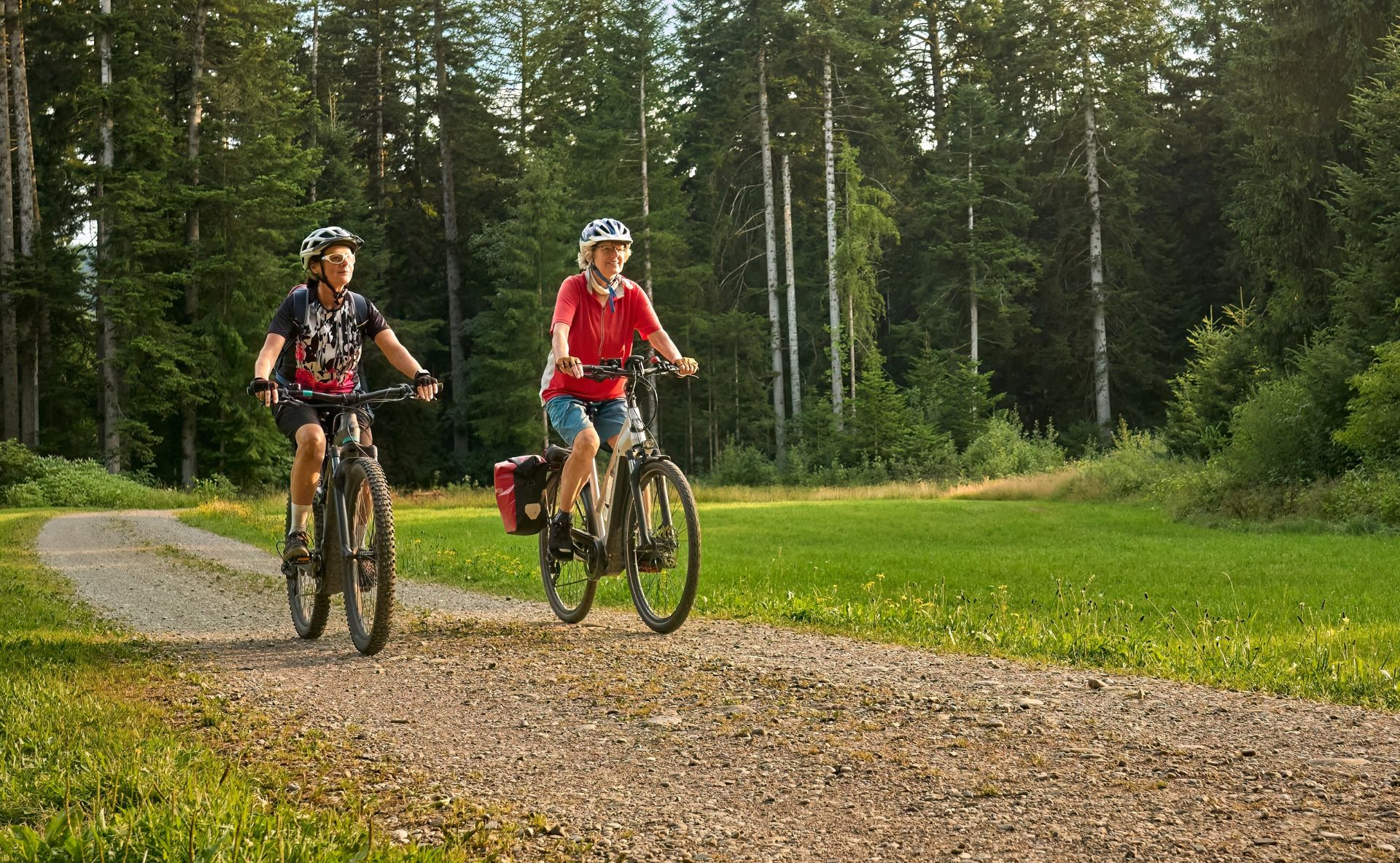
The Alpe Adria Cycle Route is a standout example of the growth of active and outdoor tourism in Europe.
This scenic route stretches over 415 km across Italy, Austria, and Slovenia, and was created by repurposing a former alpine railway line. Today, it is an eight-stage cycling itinerary (around 30 hours in total) connecting Salzburg to Grado.
Its growing appeal is further confirmed by a new agreement signed at ITB Berlin 2025 between the DMOs of Carinthia, Slovenia, and Friuli-Venezia Giulia to jointly promote and develop the route through 2028.
After the decline in international travel during the COVID-19 pandemic, visitor numbers along the Alpe Adria route have increased again over the past two years. Interest is rising across more than 30 international markets, with particularly strong growth from the United States.
To better understand this trend, The Data Appeal Company and Mabrian conducted an in-depth analysis of the Alpe Adria Cycle Route. The study examines several key indicators, including visitor behavior, popular outdoor activities, seasonality, and accommodation pricing along the route.

Here are some of the most relevant insights:
- Outdoor attractions are at the heart of the experience
Visitors choosing the Alpe Adria route particularly value outdoor attractions—especially natural parks, lakes, and climbing areas—which achieve the highest sentiment scores across all three countries. This confirms the strong demand for active, nature-based experiences. - A route popular with couples and families
Couples and families make up the majority of visitors along the Alpe Adria route, accounting for around 70% of tourists in the area based on online review analysis. - Growing interest in flexible and alternative accommodation
Hotels remain the most common accommodation choice, but their market share has declined over the past three years in favor of apartments and alternative options such as guesthouses, holiday homes, and hostels. - The strength of proximity tourism
In Italy, Austria, and Slovenia, German travelers remain a key market. At the same time, Croatian and French visitors are also increasingly present, showing strong and growing positive sentiment.
These are just some of the findings from the analysis.
The full report provides a deeper dive into data on outdoor attractions, hospitality, source markets, and infrastructure along the Alpe Adria corridor.
Turning data into strategy: building a strong outdoor tourism offering
Based on the insights from the Alpe Adria analysis, several best practices emerge that can help any DMO enhance visitor experiences and promote sustainability through a more structured outdoor tourism offer. For example:
- Expand cycling and walking infrastructure
Develop cycle paths and trails both in urban areas and in less-visited regions to promote a more balanced distribution of tourism and highlight natural areas and lesser-known villages. Where possible, repurpose disused routes or enhance existing ones based on identified potential. - Integrate cultural experiences
Combine outdoor activities with local heritage, traditions, and gastronomy to create richer, more immersive experiences that appeal to a broader and more diverse audience. - Promote year-round outdoor tourism
Encourage off-season outdoor experiences to reduce peak pressure. Invest in infrastructure that keeps destinations attractive throughout the year, supporting more balanced and continuous visitor flows.
Explore the Alpe Adria analysis in greater detail: download the full report, including all statistics and best practices for international DMOs.
Get the full report
Sign up for our newsletter and receive your copy of Adventure and Outdoor Travel: Discovering the Alpe Adria Region Through Data