Few countries are synonymous with culture more than Italy.
Italy remains home to 61 UNESCO World Heritage Sites, the highest number in the world, and in 2025 it further strengthened its cultural positioning with the recognition of Italian cuisine as UNESCO intangible heritage.
This depth of heritage continues to translate into real demand. In 2025, Italy recorded 16.8 million arrivals and more than 59 million overnight stays in June alone, while spring overnight stays grew +4.7% year on year. International travel generated a €3.6 billion surplus in June 2025, reinforcing tourism’s weight within the national economy.
Recognition is not only institutional. In Travel + Leisure’s 2025 reader awards, Italy was the only European country with three cities in the global top 25 — Florence (11th), Rome (18th) and Siena (23rd), a sign that visitor perception continues to reward destinations where heritage, urban life and landscape intersect.
But in 2026, the real question is no longer whether culture attracts visitors. It clearly does.
The more relevant question is: which attractions are generating the strongest engagement? Which museums are earning the highest sentiment? What are visitors praising—and where are frustrations emerging?
The latest analysis by The Data Appeal Company and Mabrian, based on thousands of digital traces collected between January 1 and December 31, 2025, offers a detailed picture of how cultural tourism in Italy is evolving—from motivations to satisfaction, from iconic landmarks to emerging cities, and from visitor expectations to recurring pain points.
Here’s what we discovered.
Culture is Italy’s strongest travel magnet
Italy is chosen, first and foremost, for its culture. Between September 2024 and September 2025, “Arts & Culture” was the leading travel motivation to Italy (34.7%).

Who visits Italy’s art cities: Resilient demand, subtle behavioural shifts
Cultural travel to Italy’s art cities remains strongly social. Couples represent the largest share of travellers (43%), followed by families (28%). Meanwhile, solo travellers account for 16% of all travellers but register a 3% increase compared to last year— aligned with the national shift towards a more independent and personalised approach to cultural tourism. Groups make up the smallest, yet significant share of 12%.
Looking at source markets, Italy continues to be the leading market by visitor review volumes. France remains broadly stable compared with the previous year, while Germany shows the most visible contraction, decreasing from 7% to 5.5%. Other nationalities within the top markets remain more or less aligned year on year, suggesting a largely stable international mix despite behavioural shifts within Europe.
Heritage drives choice, but experience drives satisfaction
Cultural landmarks may be the primary draw, but visitor satisfaction in Italy’s art cities is increasingly shaped by the overall experience.
The data shows that appreciation is growing not only because of the strong appeal of museums, monuments and historic sites, but also thanks to complementary factors that enhance the stay.
Culinary experiences stand out, reaching a sentiment score of 86.5/100, up +1.1 percentage points year on year.
Hospitality performance is also improving, with accommodation scoring 81.9/100 and short-term rentals 84/100, both registering year-on-year growth.
These results suggest that Italy’s cultural cities are strengthening their positioning not only through heritage assets, but through a broader, more integrated visitor experience.
Most reviews lead to Rome, Trevi Fountain leads in volume and momentum
In 2025, the attractions generating the highest volume of online reviews confirm the enduring dominance of Italy’s cultural icons—with Rome firmly at the centre.
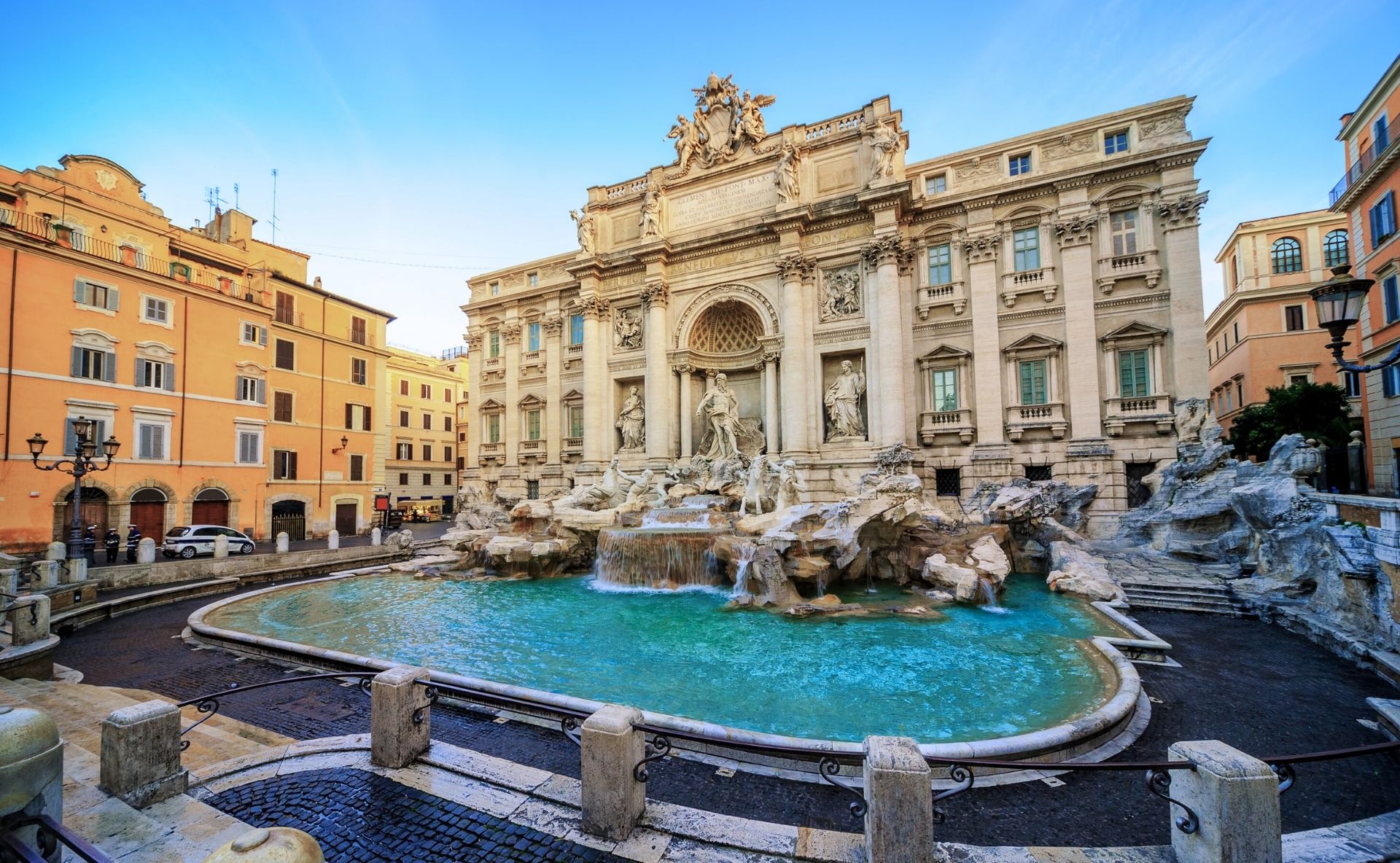
The Trevi Fountain ranks first by review volume (53.1K) and records the strongest year-on-year growth (+67%), consolidating its position as the most talked-about landmark in the country. It is followed closely by the Colosseum (52.4K), with both combining exceptional visibility and strong sentiment (89.5/100 and 92.5/100 respectively).
The Duomo in Milan places third (26.7K reviews) and stands out for its particularly high appreciation (93.7/100). The Pantheon and St. Peter’s Basilica complete the top five, the latter achieving one of the highest sentiment scores overall (94.1/100).

Florence and Rome dominate Italy’s museum conversation
The most reviewed public and private museums in 2025 are the Museo Leonardo da Vinci Interattivo in Florence, the Vatican Museums, and the Archaeological Park of Pompeii, confirming the strong appeal of Italy’s leading cultural icons.
Another key insight concerns sentiment levels, which remain consistently high across the top-ranked attractions (with peaks above 95/100). This indicates that strong visibility and high visitor volumes do not come at the expense of satisfaction.
Additionally, while Florence and Rome appear most frequently in the ranking, the list is made up of an interesting mix of cities from across Italy, highlighting a geographically diverse cultural landscape that extends well beyond the country’s most established art capitals.

Much ado about Juliet’s House—and its rising reviews
Among Italy’s cultural attractions, Juliet’s House in Verona stands out for recording the highest year-on-year increase in review volume among public and private museums (+19.1%).
While iconic landmarks such as the Colosseum or the Trevi Fountain continue to dominate in absolute numbers, the growth of Juliet’s House highlights sustained interest in highly symbolic sites linked to literary and cultural narratives.
This trend towards narrative-oriented travel is something we’ve explored in our 2026 Travel Megatrends report, where we highlight the growing influence of books, films and TV series in shaping travel decisions and driving visitation to culturally symbolic sites.
Beyond the icons: the geography of satisfaction
If Rome dominates by volume, the broader “sentiment map” tells a more nuanced story. Across Italy, all major art cities—from North to South—register positive and growing satisfaction levels in 2025.
But alongside the “usual suspects” (Rome, Venice, Milan and Florence), smaller centres are emerging strongly in visitor perception.
Siena in Tuscany and Assisi in Umbria stand out in Central Italy for their particularly high sentiment, suggesting that compact, highly walkable heritage cities continue to resonate with travellers seeking authenticity and atmosphere.
In the South, cultural attractiveness is accelerating. Among the large southern art cities, Caserta (85.5/100) and Bari (85/100) record the highest sentiment levels, reflecting a broader rebalancing of Italy’s cultural geography.
The momentum is also visible in museum performance: the Reggia di Caserta ranks among the most reviewed museums in Italy in 2025, while the Museo Cappella Sansevero in Naples is the third fastest-growing museum by review volume (+10.89% year on year)
This confirms a key structural shift: cultural demand is no longer concentrated in the most-known cultural cities in Italy. Southern destinations and smaller heritage cities are consolidating their reputational capital online.
What visitors really want: interactivity rises, but costs and waiting times matter
A semantic analysis of digital traces — capable of reading and interpreting reviews about destinations and cultural POIs in real time, capturing themes and emotional nuances with high precision — reveals a growing appetite for interactivity.
Museums that incorporate immersive or participatory elements, such as the Museo Leonardo da Vinci Interattivo in Florence, achieve higher visibility and stronger engagement.
However, the AI analysis also surfaces recurring pain points. Costs, cleanliness and waiting times remain the most critical issues mentioned in reviews. Italian visitors, in particular, show greater sensitivity to practical aspects such as pricing (sentiment 58.3), restrooms (42), Wi-Fi (43.2) and queue management (45.9), while international visitors tend to focus more on artistic richness and emotional impact
Strategically, this suggests that interactivity is not just an experiential trend—it can also function as a management lever. Well-designed interactive routes, timed entry systems and digital storytelling can help distribute flows, reduce perceived waiting times and increase perceived value, partially offsetting concerns about price.

Hospitality: stable performance, shifting seasonality
On the accommodation side, the picture across art cities remains broadly stable. In 2025, OTA saturation—the ratio between available and booked inventory on online platforms—shows a slight decline nationwide, with one important exception: Naples, where saturation increases by +1.2%.
Rate dynamics are equally measured. Prices rise more significantly in Turin (+6%) and Palermo (+3.7%), while Venice records a decrease (-5.2%)
At the same time, low season and shoulder periods continue to gain appeal, likely influenced by more accessible prices and milder climate conditions. This gradual shift indicates a tangible process of deseasonalisation, with cultural cities managing to attract visitors beyond peak summer months.

Actionable insights for destinations with a strong cultural offering
- Keep culture as the anchor of your positioning: Cultural heritage remains a primary driver of travel decisions. Clear, consistent cultural branding is essential.
- Elevate the overall experience, not just the attraction: Visitor satisfaction is shaped by gastronomy, hospitality and atmosphere as much as by monuments and museums.
- Actively manage queues and visitor flows: Waiting times remain one of the most cited frustrations. Smarter entry systems and clearer routing can protect sentiment.
- Address pricing perception with transparency: Costs are a recurring source of criticism. Transparent communication and perceived value are key to maintaining trust.
- Invest in basic service quality: Cleanliness, restrooms and connectivity significantly influence visitor perception, especially among domestic travellers.
- Integrate interactivity into cultural experiences: Immersive and participatory formats increase engagement and digital visibility, particularly in museums.
- Leverage storytelling as a growth driver: Symbolic and narrative-linked sites demonstrate strong momentum. Cultural storytelling can amplify appeal beyond iconic landmarks.
- Support emerging and secondary destinations: Growing appreciation for smaller and southern cities presents an opportunity to diversify flows and strengthen regional balance.
- Recognise different expectation patterns across markets: International and domestic visitors may value different aspects of the experience. Communication and service design should reflect this.
- Strengthen shoulder-season strategies: Increasing interest in low and shoulder seasons creates opportunities to distribute demand more sustainably and stabilise performance throughout the year.
Download the full report
Subscribe to our newsletter to receive the full report