
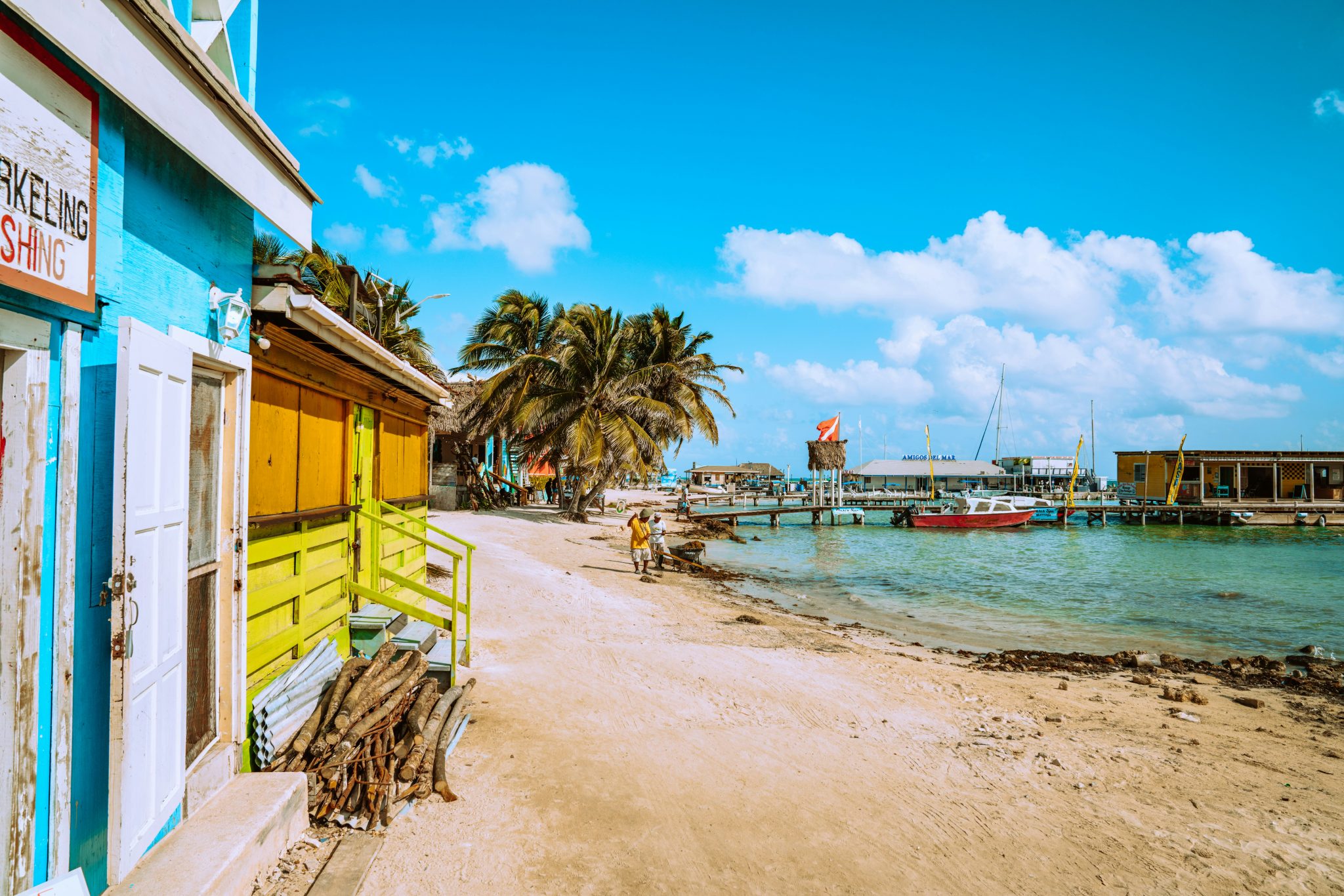
As a sun-and-beach and active tourism destination, Belize has strong potential to refine its experience market in order to attract greater international demand and increase its market share in Latin America and the Caribbean, while enhancing the value of its identity and heritage.
Belize, a leading sun, beach and active tourism destination, hides within its coastline, landscapes and cultural heritage a significant competitive advantage: the ability to design and deliver experiences that connect with international traveller motivations—nature, cultural authenticity and gastronomy. Aligning the offer with these key drivers is essential to maximise its attractiveness in strategic markets such as the United States, Europe and Canada.
This was highlighted by Carlos Cendra, Marketing and Communications Director at Mabrian, during a recent presentation at the Belize Digital AI Summit 2026, where he shared data intelligence on the country’s experience market. The analysis explores supply and demand trends for experiences sold through the main online activity platforms in Belize, based on data from August 2025 onwards.
The challenge of capturing international demand to Latin America and the Caribbean
Belize already delivers, to a large extent, what international travellers expect from Latin America and the Caribbean: nature, beaches and authenticity. However, data reveals a clear opportunity to optimise the value proposition of its experience market through a more defined and segmented offering, particularly in “soft” nature, gastronomy and culture—areas where demand is strong but still underdeveloped on the supply side. Tailoring these experiences to the specific interests of each source market will be key to increasing engagement.
In terms of positioning, Belize stands out as a sun-and-beach destination with a strong active tourism component, but with a significant competitive differentiator: its cultural diversity. Mayan heritage, alongside Garifuna, Creole and Mennonite influences, shapes a unique identity that directly connects with one of the main drivers of international demand: the search for authenticity. This attribute, combined with high-value natural landscapes, strengthens its appeal compared to other Caribbean destinations.
This cultural richness also translates into significant gastronomic potential, still underdeveloped in terms of structured experiences. Belizean cuisine, a fusion of multiple traditions, offers a clear opportunity to design more curated culinary experiences that go beyond the product itself, incorporating the cultural narrative behind it. Positioning gastronomy as a strategic pillar of the experience offering would help diversify and increase the perceived value of the destination.
Within the active tourism segment, Belize is already a top-tier destination for diving, snorkelling and water sports, which aligns well with existing demand and current supply. However, there is a gap in “soft adventure” nature experiences. Activities such as birdwatching—where Belize holds a strong competitive position thanks to its biodiversity and extensive network of protected areas—represent an opportunity to attract less active travellers who are nevertheless highly motivated by nature.
Regarding traveller profiles engaging in experiences in destination, data shows they are mainly active couples, honeymooners, seasonal travellers, or visitors motivated by sports practice. However, there is also potential in the family segment, although the dedicated offering remains limited. Adapting existing products could help capture this segment, particularly considering the potential repeat behaviour of couples who later return as families.
At the same time, Belize’s size and cross-border accessibility make it an ideal destination for multi-country itineraries across Central America, opening opportunities in the high-spending solo traveller segment, especially those motivated by specialised activities such as birdwatching or niche active tourism.
From a source market perspective, data highlights clear opportunities to strategically adapt the offering by origin. European travellers show strong interest in nature experiences, suggesting the need to expand and further specialise this segment. Canadians combine interest in active tourism with cultural experiences, opening the door to stronger cultural product development. Meanwhile, US travellers show a strong affinity for gastronomy—the second most important demand driver for this market in the region—reinforcing the opportunity to develop culinary experiences that connect with familiar references such as Creole cuisine, Southern US culinary traditions, and broader Central American food culture.
Overall, Belize has the necessary assets to consolidate itself as a high-value experience destination. The key lies in structuring, diversifying and segmenting its offering to align with specific market motivations, thereby maximising its international competitiveness.
Download report
Stay up-to-date with the latest news tailored to your industry!
Subscribe to our newsletter to receive the report.